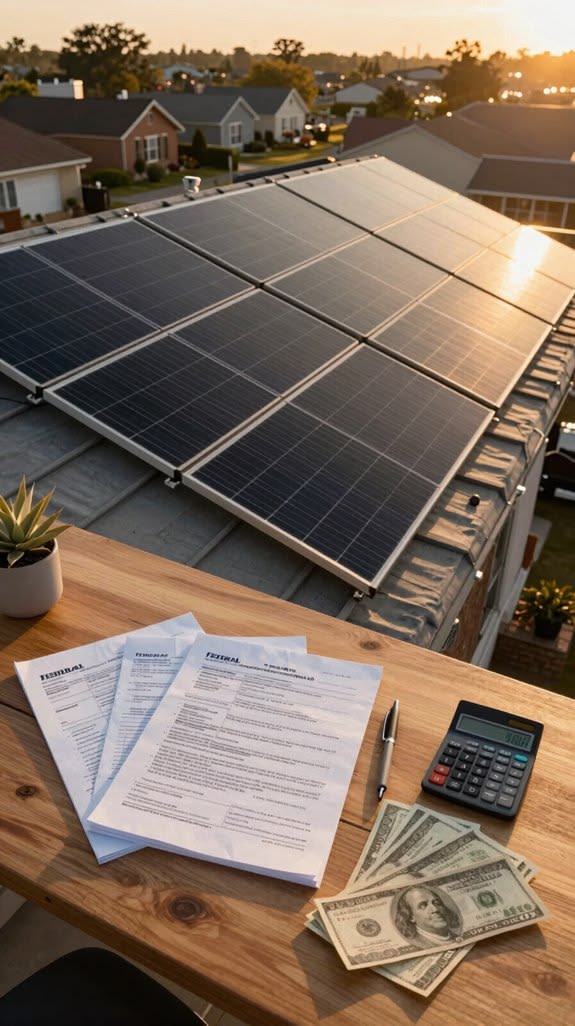
7 Ways Solar Power Can Cut Your Electricity Bills
Going solar isn't just about escaping blackouts — it's also one of the smartest long-term financial decisions you can make for your home or business. Here are seven concrete ways solar power puts money back in your pocket.
1. Eliminates ongoing fuel costs. Once your solar system is installed, sunlight is free. There's no recurring expense for petrol or diesel, which for many households and businesses is one of the largest monthly power-related costs.
2. Reduces generator maintenance and repair costs. Fuel generators require regular servicing, oil changes, and eventual part replacement — costs that add up over the years. A solar system has far fewer moving parts and dramatically lower maintenance needs.
3. Protects you from fuel price volatility. Petrol and diesel prices fluctuate, sometimes sharply. Solar insulates you from these swings entirely — once installed, your "fuel" cost never rises.
4. Extends the life of your appliances. A stable, clean power supply — especially from a pure sine wave inverter — reduces wear on sensitive electronics, meaning fewer repair and replacement costs over time.
5. Increases property value. A home or business with an installed solar system is more attractive to future buyers or tenants, who immediately see the value of lower running costs and power reliability.
6. Reduces business downtime costs. For shops, offices, and small businesses, every hour without power can mean lost sales or productivity. Reliable solar power keeps operations running, protecting revenue that would otherwise be lost to outages.
7. Some systems allow future expansion or resale of excess power. Depending on your setup, a grid-tied system with excess solar generation may allow you to sell power back to the grid in supported regions, turning your system into an additional income source over time.
Solar isn't just an expense — it's an investment that starts paying you back the moment it's switched on. Talk to us about a system sized to save you the most, based on what you're currently spending on power.
Related Items
Financing Options for Solar Installations: What You Should Know
View Details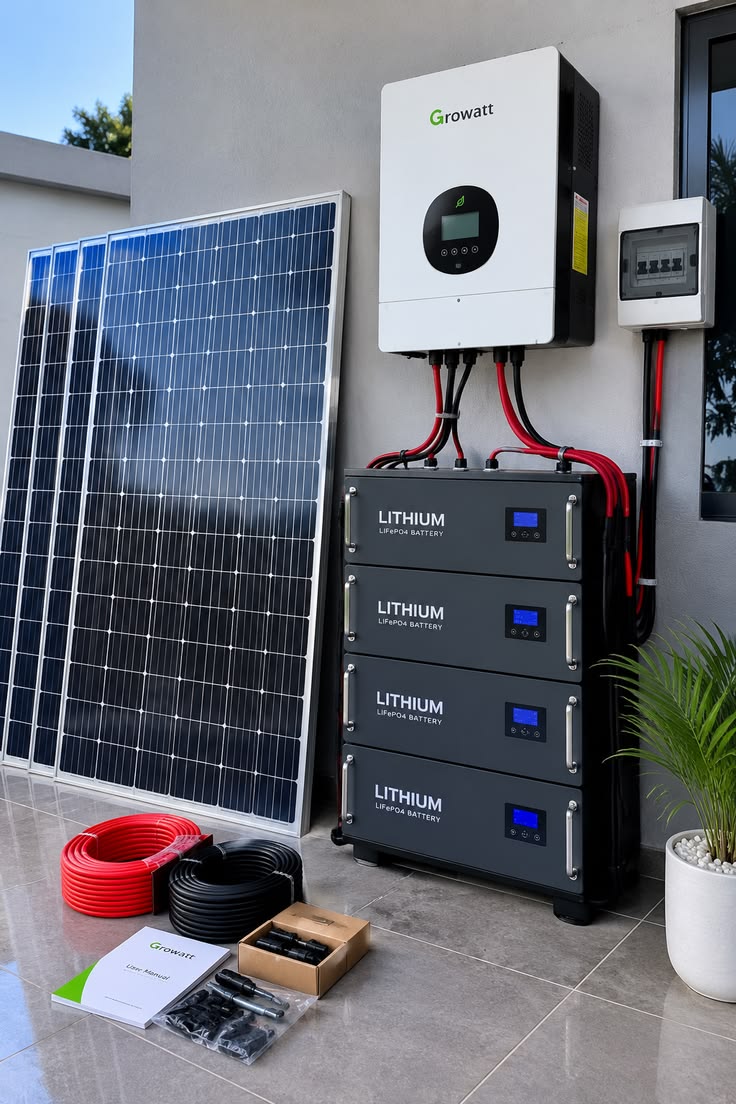
How to Choose the Right Inverter Size for Your Home
View Details
How Many Solar Panels Do You Need to Power Your Home?
View Details