How to Choose the Right Inverter Size for Your Home
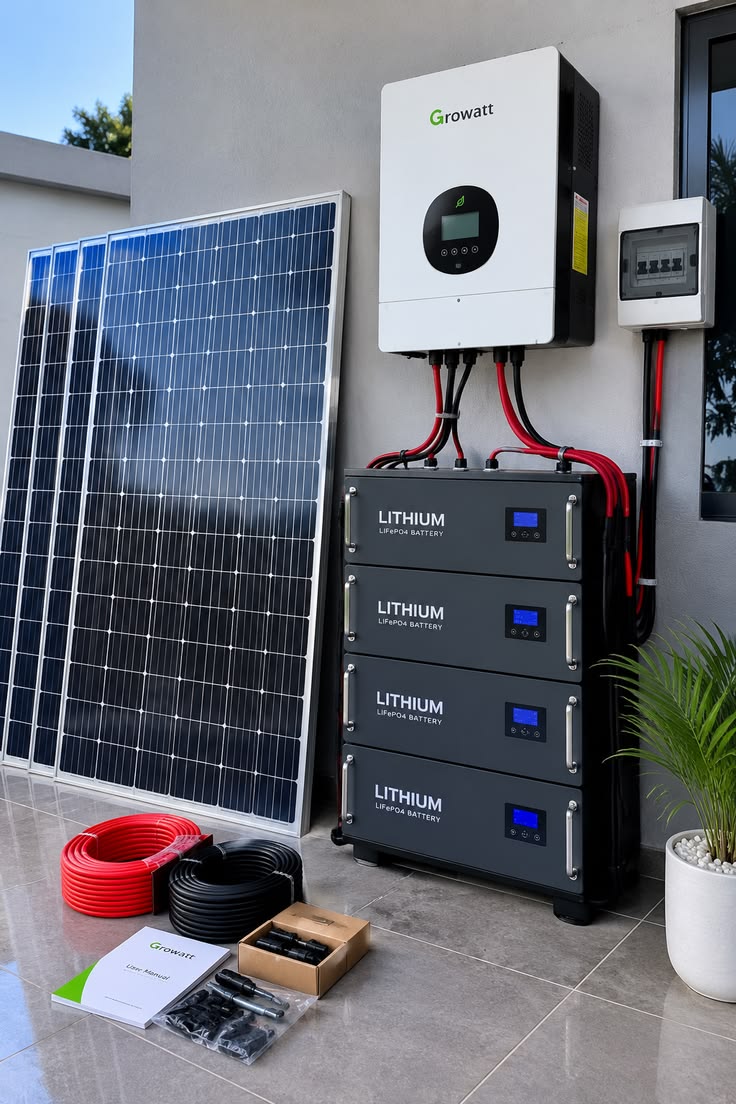
Buying an inverter without doing the math first is one of the most common — and costly — mistakes people make when going solar. Get it right, and your home runs smoothly on backup power. Get it wrong, and you'll either overspend on capacity you don't need, or worse, watch your inverter shut down every time you switch on the fridge and the iron at the same time.
Start with a load list. Walk through your home and list every appliance you want the inverter to power: bulbs, fans, TV, fridge, laptop chargers, router, maybe a small AC unit. Note the wattage of each — it's usually printed on the appliance or its manual.
Add up total running wattage. This is the power all your appliances need while running normally. If your list adds up to 1,500 watts, you already know you need an inverter rated above that.
Account for starting (surge) wattage. Appliances with motors — fridges, ACs, pumping machines — draw a short burst of extra power when they first switch on, sometimes 2–3 times their running wattage. Your inverter needs enough surge capacity to handle this without tripping.
Add a safety margin. Never buy an inverter sized exactly to your current needs. Add at least 20–30% extra capacity to account for future appliances and to avoid running your system at its absolute limit constantly, which shortens its lifespan.
Match your battery bank. An inverter is only as good as the battery bank feeding it. A powerful inverter with an undersized battery will still leave you in darkness after an hour.
If the math feels overwhelming, that's exactly what we're here for. Bring us your appliance list, and we'll help you size an inverter that powers your home comfortably today and has room to grow tomorrow.
Related Items

Financing Options for Solar Installations: What You Should Know
View Details
7 Ways Solar Power Can Cut Your Electricity Bills
View Details
How Many Solar Panels Do You Need to Power Your Home?
View Details